
During this 2-hour training, participants will be introduced to the collaborative leadership style. Participants will be able to recognize the four key characteristics of this particular leadership style, explore five strategies to implement collaborative leadership practices in the workplace and create a personal action plan. Participants will engage in several discussion-based activities to explore and process these strategies and concepts.
Help & Resources
Active Filters
Type
Age
Tags
No Items Found.
Introduction to Coaching Skills
Introduction to Coaching Skills is a 3-hour interactive training in which participants overview the benefits of coaching and learn about the skills and mindset needed for coaching to be successful. Through a series of information and hands-on activities, participants practice active listening, asking high quality questions, and the GROW coaching model, putting them on the path to turn work-experienced challenges into learning situations.
Monday Morning Leadership
What if you could spend eight sessions with an amazing mentor? What would be the impact on child and family outcomes? Based on the bestselling book, Monday Morning Leadership, this 6-hour training helps leaders develop the eight key leadership principles outlined in the Monday Morning Leadership book. These concepts are simple, doable, and can be implemented immediately. But, more importantly, they work! Monday Morning Leadership is a training that offers unique encouragement and direction to help you become a better manager, employee, and person.
In this training, participants will discuss eliminating blame and accepting total responsibility; why confusion is the biggest workplace stressor; why every person on the team must be coached; that integrity is the foundation of trust, which is an essential element of successful leadership; the value of hiring tough; and how to improve at time management.
True Colors
True Colors® is a 3-hour temperament and personality-typing program. This enjoyable and insightful training helps early care and education professionals with personal and professional development skills. Using the colors - Orange, Gold, Green, and Blue to describe basic personality types, participants will positively improve teamwork skills by recognizing differences and developing solutions to communicate and collaborate more effectively with each other.
True Colors Team Building
True Colors® Team Building is a 3-hour training designed to help team members perform better together. Every person has their own personality type, consisting of unique styles, preferences, and ways of operating. This course focuses on how effective teamwork builds trust, boosts creative problem-solving, and increases efficiency and productivity. Prerequisite required: True Colors® . Limited availability.
AR Conductor
AR Conductor was created by a partnership between the University of Central Arkansas and Startup Junkie. These two organizations saw that entrepreneurs and innovators weren’t getting the help they deserved in central Arkansas. It’s a big problem and we’re here to fix it.
Since launching in 2016, we’ve provided resources and knowledge to hundreds of small business owners and reached thousands of people through Conductor events. We want you to be next. You’re invited to join our community of entrepreneurs, friends, and mentors. Here at Conductor, we’re all energized by success.
Go NAPSACC
Go NAPSACC is an online platform childcare providers can access to help improve the health of young children through practices, policies, and environments that instill habits supporting lifelong health and well-being. Go NAPSACC offers 35 hours of self-paced PDR training opportunities in the following areas:
- Child Nutrition
- Breastfeeding & Infant Feeding
- Infant & Child Physical Activity
- Farm to ECE,
- Oral Health
- Screen Time
- Outdoor Play & Learning.
Any child care center can have an account and is used for Better Beginnings Standards. Request an account through gns@curriculaconcepts.com.
Ages and Stages 2 month - Questionaire
Arkansas Child Development and Early Learning Standards: Birth-60 months
Arkansas State University Professional Development
Main site for training opportunities through ASU.
Toddler CLASS Observation Training
Ages and Stages 4 month
Building Your Bounce
Be Well Care Well
Our mission is to make your workplace a well-being destination.
Our approach is simple: We equip employers with practical solutions to create thriving work environments that benefit both their employees and the clients they serve. Our strategies promote positive change in overall well-being across 8 dimensions of wellness, lowering stress, reducing burnout, increasing job satisfaction, and promoting sustained professional fulfillment.
Join us and discover a community committed to nurturing those who nurture others.
Contact info@bewellcarewell.com for more information.
Engage Continuum
Agencies and centers are invited to become Partner Programs that complete the full Engage Continuum over a period of 6-7 months.
REACH
REACH is a program wide training/coaching series: 2 workshops for supervisors and 6 workshops for teachers. The goal of REACH is to increase the capacity of providers to support social-emotional development in young children, leading to improved behavior. REACH curriculum uses the Pyramid Model framework for supporting children’s social-emotional development. Each workshop has a toolkit with items (e.g. books, CDs, toys, posters, puppets, parent pages) teachers use in practicing the skills and concepts. The program is free of cost, funded through UAMS.
@sensoryplay.allday
Educational Sensory Play & OT Tips
@athleticdevelopmentgames
Physical Activity/Making physical training and development fun
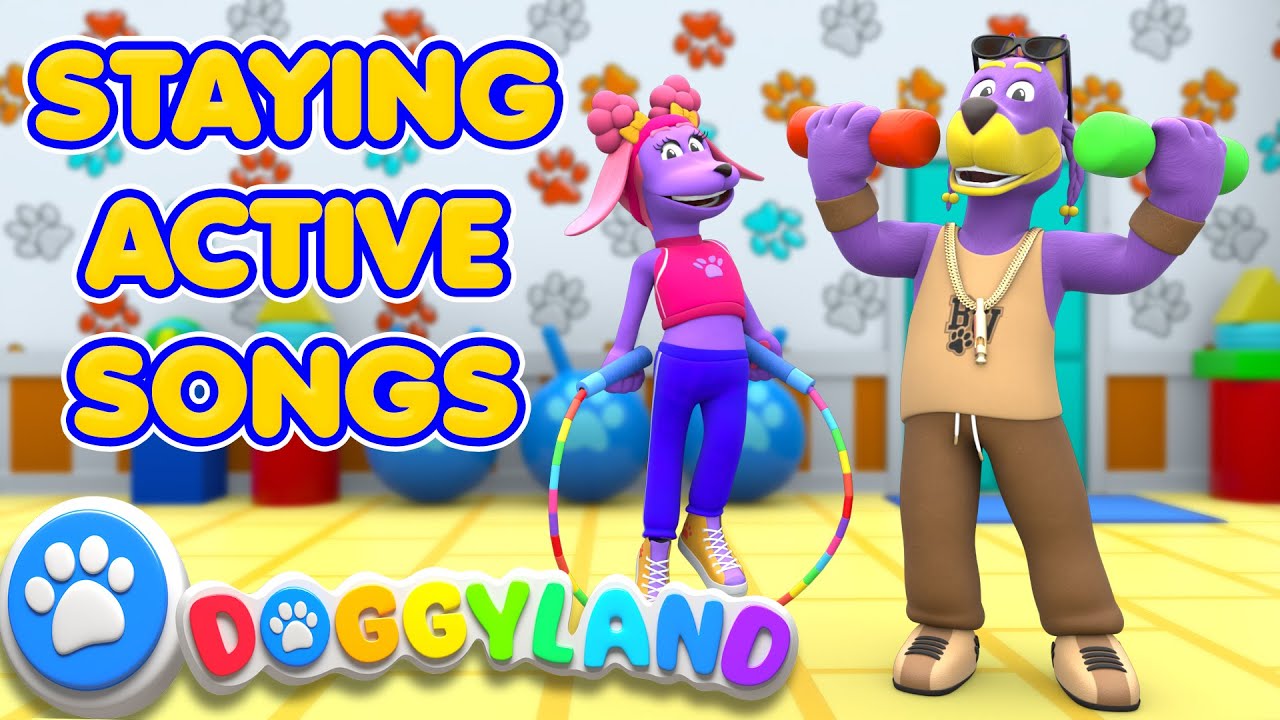
Doggyland: Staying Active Compilation
Looking for a fun way to get your little one moving? This high-energy video from Doggyland turns exercise into a dance party your child will actually want to join!
CLASS Pre-K Observation Training
Home Visitor Regional Trainings
Family Engagement: Cafés with Curricula Concepts
Cafés give parents and other family members a chance to share their experiences and listen to what others are going through. It is a great way to strengthen relationships between families and childcare providers, as well as build social connections between families. They recognize the wisdom that emerges when people come together, creating opportunities for meaningful dialogue. By focusing on the strengths of families, these gatherings offer a supportive and empowering approach to connection and growth. Topics for cafés include: Early literacy, physical activity, managing screen time, understanding challenging behaviors, the importance of self-care and much more. Contact info@curriculaconcepts.com to schedule a café for your staff and family today!
How Children Learn Through Play: Practical Strategies for Early Childhood Educators
This article, brought to you by Curricula Concepts, explores why play is vital and provides practical ways to incorporate it into your daily classroom routines.
Promoting Physical Activity in Early Childhood Education: Strategies for Birth to Five
Physical activity is a cornerstone of early childhood development, contributing to children's physical, cognitive, and emotional growth. Early Childhood Education (ECE) providers play a crucial role in shaping healthy habits that can last a lifetime. This article, developed with insights from Curricula Concepts and Nemours Children's Health, highlights key findings from the recent "Infant & Child Physical Activity" training and offers practical strategies to integrate movement into daily routines for children from birth to five.
U of A Early Care & Education Projects: Online Courses
Each self-paced online course is 8 hours and delivered through a system called CollaborNation.
- Child Care Orientation Training
- Child Development: Birth to Three
- Child Development: Three to Five
- Child Development: Five to Eight
- Guidance and Behavior Management
- Health, Safety, and Nutrition
- Introduction to Child Care
Move It!
This training is a 3 part series, all relating to ways in which educators can include movement in the classroom. The topics covered are Gross Motor Play, Music and Movement, and Yoga in the Classroom. These can be completed asa a series or as standalone trainings. Contact Curricula Concepts at info@curriculaconcepts.com for more information!
Nutrition & Physical Activity Training
Curricula Concepts offers learning opportunities and support for best practices in the following areas:
- Infant & Child Physical Activity
- Child Nutrition
- Breastfeeding and Infant Feeding
- Managing Screen Time
-
Move, Play, Grow: Nurturing Child Development through Physical Activity
-
Physical Activity in the Workplace
Trainings are available for both early childhood educators and families depending on the topic. These sessions were developed in partnership with Go NAPSACC & Nemour's Childrens Health.
Contact info@curriculaconcepts.com for more information!
Cultivating Mindfulness in a Changing World
Join Curricula Concepts as they share how mindfulness can benefit your overall health and strengthen your relationships. This webinar will cover some mindfulness tools, and you will leave with a map to get you started on your mindfulness journey. Contact info@curriculaconcepts.com for more information.
Fathers are KEY to Family Engagement
In this Curricula Concepts session, you will learn how your early childcare program can involve fathers in meaningful ways. We begin by acknowledging stereotypes that sometimes exist around fathers and their involvement in early education. This includes recognizing biases we have based on our own personal experiences. Participants will explore ways to break down barriers some fathers face, and together, we will explore how to equip fathers with the tools they need to be successful. For more information or to schedule this training, contact info@curriculaconcepts.com.
How Children Learn Through Play
Have you ever watched a young child at play and wondered what must be going on inside their brain? This session introduces parents and childcare providers to PLAY as a means for learning and brain development in young children. Participants will learn how to support and interact with children during play and create optimal play spaces in their homes and centers. Contact Curricula Concepts at info@curriculaconcepts.com for more information.
Taking Care of Yourself Every Day
In this 45 minute session with Curricula Concepts, you will learn about the different areas of self-care and understand where you need the most support. We will discuss the importance of prioritizing yourself, and you will leave with a plan to get started practicing self-care. Contact info@curriculaconcepts.com for more information.
Trauma-Informed Yoga
Join Curricula Concepts for a 2-hour interactive session designed for those working with children ages 3–18. We’ll explore how trauma can impact brain development and show up as challenging behaviors in the classroom. Discover how yoga and mindfulness can support healing and growth—especially for children who’ve experienced trauma. You’ll learn simple, foundational yoga poses, breathing exercises, and strategies to help children build physical strength, focus, and key life skills—right in your classroom. Contact info@curriculaconcepts.com for more information on this session.
@zerotothree
Zero to Three offers early childhood trainings and resources to address the most critical issues impacting babies and toddlers. They can be found on Facebook, Instagram and their website.
@bright_little_brains
Bright Little Brains explores hands on learning activities with creative ideas. She can be found on on her blog and all social media platforms.
@developingchildharvard
Center on the Developing Child- Harvard University shares many resources & tips using science-based research. They can be found on their website and all social media platforms.
@speechsisters
Speech Sisters are speech pathologists sharing tips & resources for young children. They also can be found on Instagram.
@sprinkleinlearning
Sprinkle in Learning is Brain Boosters and engaging activities for all ages! They also can be found on Instagram & Facebook with many free resources.
@seedsforspecialneeds
This Instagram acount helps tackle common behavioral challenges using a sensory lens.
@kidseatincolor
@kidseatincolor shares resources and advice on child ntrition and how to talk to children about foods positively.
@biglittlefeelings
@biglittlefeelings shares practical, research packed tips for managing toddler emotions and behaviors.
Feeding Your Baby in the First Year
Feeding your baby in the first year is about responding to their cues and offering the right nutrition at the right time.
Ages & Stages Questionnaires
Ages & Stages Questionnaires® (ASQ®) provides reliable, accurate developmental and social-emotional screening for children between birth and age 6. Drawing on parents’ expert knowledge, ASQ has been specifically designed to pinpoint developmental progress and catch delays in young children—paving the way for meaningful next steps in learning, intervention, or monitoring.
Routines That Comfort and Connect: Helping Your Child Thrive in Uncertain Times
Life doesn’t always follow a set plan—and lately, that’s been more true than ever. But even during unpredictable times, there’s something simple that can help kids feel safe, calm, and connected: routines. Not just any routines, though. The kind that give your child a sense of rhythm, responsibility, and belonging.
How to Calm a Fussy Baby: Gentle Tips for Parents and Caregivers
Babies cry—it’s their way of telling us what they need. Sometimes, calming a fussy baby can feel like a puzzle, but with patience and practice, you’ll learn what helps your little one feel safe and soothed.
The Power of Play: How Fun Helps Your Child Grow Strong, Smart, and Happy
Ever watch your child build a tower of blocks, race around the yard, or play dress-up—and wonder what’s going on in that busy little brain? Play isn’t just about keeping kids entertained; it’s one of the most powerful tools for helping them learn, grow, and thrive.
Why a Global Day of Play Matters for Kids (and Adults!)
In a world packed with stress, uncertainty, and endless to-do lists, it’s easy to overlook something simple but powerful: play. Yet the United Nations has now declared June 11 the International Day of Play — a global reminder that play isn’t just fun; it’s essential for children’s (and adults’) health, happiness, and growth.
Why Play Is the Secret Ingredient for Learning—and How You Can Support It at Home
As parents and caregivers, you want your child to learn and grow in joyful ways—not just by sitting still or following strict rules. The good news? Play and learning are actually best friends. When children play, they’re not just having fun—they’re discovering, solving problems, and building skills that last a lifetime.
How Simple Routines Help Kids Feel Safe, Confident, and Ready to Cooperate
Mornings feel rushed, bedtime can be a battle, and somehow the shoes are never by the door. If you’ve ever felt like daily life with young kids is one big juggling act, you’re not alone. The good news? A few well-planned routines can make things feel calmer—for both you and your child.
Is My Child Ready for Potty Training? Here’s What to Know About Their Growing Brain
If you’re wondering when (or how) to start potty training, you’re not alone! Many parents feel unsure about when their child is truly ready. The good news? Knowing the signs tied to your child’s brain development—not just their body—can make the whole process smoother and less stressful.
When Your Child Takes a Step Back: Understanding Potty Training Regression
It’s exciting when your child starts using the potty, but sometimes, after making good progress, they might suddenly seem to forget what they’ve learned. If your child has accidents or wants to wear diapers again, it’s natural to feel frustrated and worried—but don’t panic. This is a common experience called potty training regression, and there’s a lot you can do to help.
Helping Your Little One Get Ready for School: Simple Steps That Make a Big Difference
Preparing young children for school can feel overwhelming, but small, everyday moments can build strong skills for success. This guide shares easy ways you can support your child’s growth in key areas like emotions, thinking skills, math, and reading—right at home or in preschool.
Smart Snack Time: Easy Ways to Fuel Your Toddler’s Growth and Energy
We all know toddlers can be picky eaters, and snacks sometimes feel like a battle. But snacks are more than just little meals—they’re a chance to keep your growing child happy, healthy, and ready to play.
Helping Your Toddler Learn to Feed Themselves: From Messy Fun to Mealtime Skills
Watching your little one feed themselves is a mix of pride, patience, and maybe a bit of mess! From about one year old to three, toddlers are learning to use spoons, forks, and cups—but they’re also exploring what happens when food flies. Here’s what to expect and how you can support this important stage.
Feeding Your 1-Year-Old: What to Expect and How to Help
As your little one turns one, you might notice mealtime becomes a bit trickier—maybe fewer bites or more turning away. Don’t worry, this is totally normal! Your toddler’s growth is slowing down, so their appetite changes too. Here’s what you can expect and some friendly tips to keep mealtime happy and healthy.
Your Baby’s First Smiles and Social Moments: How Early Emotions Build Lifelong Bonds
Those first grins, gurgles, and coos aren’t just adorable—they’re powerful signs of your baby’s growing connection to the world. In the first few months of life, babies begin learning how to express themselves and connect with others. Here's what you can expect and how you can help.
Baby Talk: How Your Voice Helps Your Baby Grow
That sweet moment when your baby coos back at you? It’s more than just cute—it’s your baby learning to listen, connect, and even begin the journey to talking. From the earliest days, your voice is one of your baby’s most powerful tools for learning and bonding.
What to Expect from Your 3- to 4-Year-Old: A Growth Guide for Busy Parents
Your little one is growing fast and becoming more independent every day! At 3 and 4 years old, kids are eager to explore, play, and learn new skills—and this stage is a wonderful time to support their growth in many areas.
Infant Sleep: What Every Tired Parent Needs to Know
Sleep is one of the biggest challenges in a baby’s first year—for babies and for parents. Understanding how infant sleep works can help you meet your baby’s needs and get a little more rest yourself.
Helping Your Preschooler Make Friends, Share, and Play Together
Preschoolers are learning so much about themselves and others! At this age, your child starts to understand what it means to be a friend, share toys, and play nicely with others.
Helping Your Child Through Nightmares, Night Terrors & Sleepwalking
It’s tough when your little one wakes up scared or restless at night. Nightmares, night terrors, and sleepwalking are common in children, and understanding what’s happening can help you support them with calm and care.
Helping Your Preschooler Grow Strong, Skilled Hands
Preschoolers are busy explorers, and their hands are learning to do amazing new things! From holding crayons to using scissors, these growing skills help your child gain confidence and independence every day.
Self-Soothing: How to Help Your Baby Build This Important Life Skill
We know those moments—your baby is crying, you’re doing everything you can, and you just wish they could calm themselves even a little. Helping your baby learn to self-soothe is a gentle process that supports both their growth and your peace of mind.
Baby’s First Tooth: 7 Things Every Parent Should Know
That first little tooth popping through is such a big milestone! But when should you expect it? And what do you need to know to keep your baby’s mouth healthy? Here’s what pediatricians and pediatric dentists recommend.
Soothing Your Fussy Baby: Practical Tips for Colic Relief
If your baby has a daily fussy period that feels impossible to calm, you’re not alone—and it’s not your fault. Many infants go through phases of fussiness or colic, especially in the early months. Understanding what’s happening and how to help can make these tough times easier for your whole family.
Helping Little Hands Grow: Easy Fine Motor Activities for Your Toddler and Preschooler
Watching your child learn to use their hands with skill and confidence is exciting—and it’s a big part of growing up. This post shares simple, fun activities that support your child’s fine motor skills, helping them become more independent every day.
Helping Your Child with Special Needs Learn to Use the Potty
Potty training can feel extra tricky when your child has special needs, but with patience, support, and the right approach, this important step can boost your child’s confidence and independence. You’re not alone, and there are many ways to make the process work for your family.
Why Play Matters: How Your Child Learns Through Fun and Imagination
If you’ve ever watched your child build a block tower or pretend to be a chef, you’ve seen powerful learning in action. Play isn’t just fun—it’s how young children explore the world, solve problems, and connect with others.
Wiggles Welcome: How Movement Helps Your Child Learn and Grow
Ever noticed how your child can’t seem to sit still for long? That’s actually a good thing! Physical activity isn’t just about burning energy—it helps young children build strong bodies, sharp minds, and confident hearts.
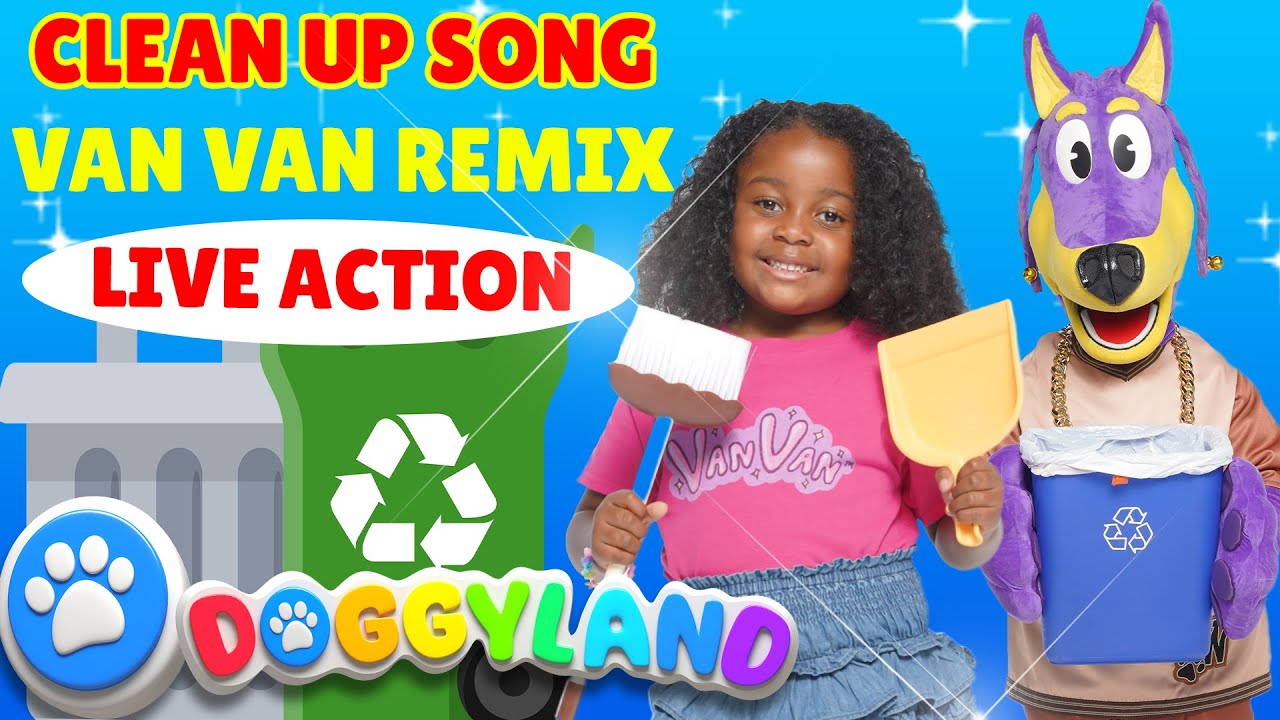
Doggyland: Clean Up Song
Need a little help getting your child to clean up? Turn tidy-up time into a game with this catchy Doggyland clean-up song—it makes organizing feel like play!
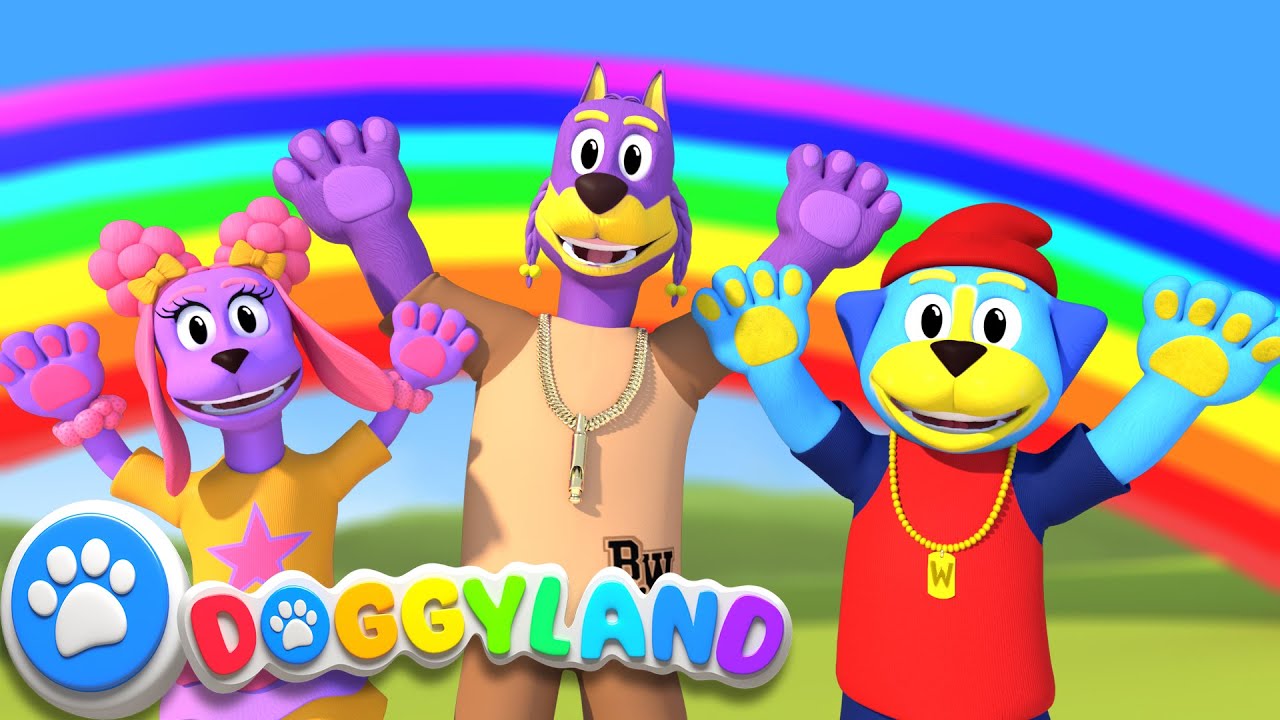
Doggyland: Affirmations
Looking for a simple way to boost your child’s confidence? These catchy, positive affirmations from Doggyland help kids start the day feeling strong, kind, and ready to shine!

Doggyland: Yummy & Health Food Song
Trying to get your child excited about fruits and veggies? This upbeat Doggyland song makes healthy eating fun, silly, and super catchy!

Do You Have A Deeply Feeling Kid?
Big emotions can feel overwhelming—for kids and parents. Dr. Becky Kennedy’s “Good Inside” approach offers tools to help you connect, even during tough moments.
Summer Activities to Build Confidence and Executive Functioning in Toddlers
Occupational Therapist Lauren Fouche shares fun, practical activities designed to boost your child’s confidence, independence, and executive function this summer. These ideas encourage gentle, playful learning tailored to your child’s unique abilities and comfort level.
Summer Activities to Build Confidence and Executive Functioning Skills in Kids
Help your school-age child build social confidence and follow-through with these engaging, real-world activities. Designed by Occupational Therapist Lauren Fouche, this list supports growing independence while respecting your child’s unique pace and comfort.
Keeping Bedtime Peaceful
This quick guide shares easy, consistent bedtime tips to help your preschooler wind down peacefully, feel secure, and fall asleep on their own—without the drama.
Making Bedtime a FUN Part of the Day
From spy missions and silly yoga to glow-in-the-dark routines and puppet helpers, these playful ideas turn preschool bedtime into a cozy, imaginative adventure kids will actually look forward to.
Worried About Pushing, Name-Calling, or Hurt Feelings at Playtime?
These simple strategies help young children build empathy, share with others, and understand the feelings behind their behavior—so they can grow into kind, confident friends.
Tired of Nonstop Energy and Sibling Squabbles?
Learn playful, practical ways to help preschoolers burn off steam, manage big emotions, and solve conflicts with words instead of fights.
Caught Your Preschooler Fibbing?
Learn how to respond calmly, teach the value of honesty, and guide your child toward truth-telling in ways that build trust—not shame.
Struggling to Keep Your Preschooler’s Attention?
These simple strategies and playful tricks can help boost focus, build routines, and make concentration feel like fun—not a chore.
Need Help Channeling All That Wiggle Energy Into Focus?
These playful, movement-friendly games build attention, self-control, and listening skills—without your child ever realizing they’re “practicing.”
Big Feelings Don’t Have to Lead to Big Blowups
Learn calm, supportive ways to help your preschooler through tantrums—while teaching emotional safety, soothing strategies, and connection.
Managing Defiance
Discover gentle, consistent ways to set boundaries, offer choices, and encourage cooperation—all while keeping love and connection front and center.
Want Simple Ways to Help Your Child Manage Big Feelings and Tricky Moments?
These easy strategies guide parents in setting clear expectations, naming emotions, staying calm, and redirecting behaviors with kindness.
Wondering How to Mix Fun and Learning Without the Stress?
This guide shows how to follow your child’s interests, sneak in learning moments, and keep playtime both joyful and educational.
Simple STEM Activities for Preschoolers
Try these fun, everyday science and math activities that turn exploring, building, and counting into playful adventures.
Want Your Child to Feel Confident and Ready for School?
Discover simple ways to build independence, manage emotions, and strengthen social skills that make the transition to kindergarten smoother and more fun.
Helping Your Child Feel Confident and Independent for Their First Day
These everyday skills—from opening lunchboxes to saying goodbye—set the foundation for success and ease the transition to kindergarten.
Feeling Overwhelmed by Formula Options?
This guide breaks down what really matters—like baby’s comfort and growth—so you can choose confidently without the stress or extra expense.
Starting Solids: Simple Tips for Baby’s First Foods
This guide walks you through when to start, what to offer, and how to safely introduce new foods—all in simple, stress-free steps.
Safe & Soothing Sleep for Babies
This gentle guide covers safe sleep practices, calming routines, and simple tips to help your baby rest soundly—and help you feel more confident at bedtime.
Calming Your Infant: Gentle Breathing & Soothing Moments
These peaceful, connection-based techniques—like tummy-to-tummy breathing, soft swaddling, and calming voice rhythms—can help soothe your baby while grounding you, too.
Curious if Your Child is on Track?
This guide helps you understand developmental milestones, spot signs for early support, and celebrate progress—at your child’s unique pace.
Not Sure What’s Normal and What Needs a Call to the Doctor?
This guide covers everyday baby issues—like colic, teething, and spit-up—with simple tips to soothe your little one and know when to seek help.
Looking for Toys that Support Your Baby’s Development and Keep Them Engaged?
This list includes age-appropriate, sensory-friendly favorites that are safe, soothing, and perfect for growing little minds and bodies.
Wondering if it’s Time to Ditch the Diapers?
This guide helps you spot readiness signs, build positive potty routines, and use playful tools to make the process smoother—for both you and your toddler.
Fun & Creative Potty Training Hacks for Toddlers
These imaginative ideas—like potty parties, Flush Fairies, and color-changing toilet water—turn training into a silly, confidence-building adventure.
Is Your Toddler Biting When They’re Upset or Overwhelmed?
This guide explains why biting happens, how to respond calmly, and what to teach instead—plus tips for working with teachers to create consistent support.
Creative Tricks to Curb Toddler Biting
These fun, imaginative ideas—like Bite Buddies, superhero capes, and “Teeth Talk” games—help little ones manage biting urges with creativity, not conflict.
Tantrums & Defiance: Simple Tips for Parents
This guide gives you calm, loving ways to respond to tantrums, set limits with kindness, and help your child build emotional skills that last a lifetime.
Exhausted From All the Whining and Clingy Behavior?
This guide offers gentle, practical ways to build your toddler’s independence, teach emotional skills, and give them the attention they need—without giving in to every demand.
Struggling with Stalling, Protests, or Endless “One More” Requests?
These simple bedtime strategies help toddlers feel calm, secure, and ready for sleep—while keeping you in charge of the routine.
Creative Bedtime Routine Hacks for Toddlers
These imaginative ideas—from adventure maps to glow wand rituals—make the bedtime routine fun, soothing, and something your toddler looks forward to every night.
Wondering How to Keep Your Preschooler Rested and Happy?
This guide explains why naps still matter, how to build a calming routine, and tips for handling resistance—so your child (and you!) can enjoy peaceful afternoons.
Struggling with Bedtime Battles or Restless Nights?
This guide shares simple, calming steps to build a cozy, consistent routine that helps toddlers relax and get the rest they need—without tears or stress.
Worried Your Toddler is Stuck on Picky Eating?
This guide shares patient, playful ways to ease food fears, invite curiosity, and build healthy habits—without pressure or mealtime battles.
Struggling with a Picky Eater?
This guide shares playful and low-pressure ways to help toddlers warm up to new foods—like shaping broccoli into “dinosaur trees,” using safe food anchors, and letting kids take charge with tiny “no thank you” bites. Fun + repetition = success!
Screen Time & Toddlers: What Parents Should Know
This quick guide helps parents set healthy screen habits with toddlers, including expert-backed limits, high-quality show suggestions, and ways to build real-life play into your child’s day. No guilt—just smart choices.
Screen-Free Fun
Looking for ways to keep your toddler busy without a screen? These simple, low-prep ideas keep little hands and minds engaged—no batteries or apps required!
Baby-Proofing Basics
Toddlers are natural explorers—and quick! This guide walks you through simple, practical ways to make your home safer, from anchoring furniture to spotting choking hazards. A must-read for staying one step ahead of your little adventurer.
Creative Calming Tricks for Toddlers With Big Emotions
Toddlers feel big, fast emotions—and they need playful ways to manage them. These calming tricks turn meltdowns into moments of connection with rocket countdowns, cozy forts, and “mad art” that lets the feelings flow.
Helping Toddlers Calm Down
Simple, playful breathing exercises and quiet moments help toddlers manage big feelings and build focus. From bubble breaths to tummy breathing, these easy mindfulness tricks make calming down fun and comforting.
Color Hop Calm-Down
Looking for a simple, screen-free way to help your toddler wind down? This colorful floor game gets wiggles out and helps ease the transition to bedtime—no special equipment needed.
5 Strategies for Emotional Regulation
Follow these 5 steps to help children calm down through co-regulation.
Supporting Students with Co-Regulation
How calm teaching helps children manage big feelings at school
What Teachers Can Do Through Co-Regulation
Here are 5 strategies to use in the classroom for co-regulation.
3 Real Life Regulation Examples
Here are 3 real life classroom examples of how to use co-regulation.
Simple Ways to Co-Regulate with Your Baby
Here are a couple quick, simple strategies for parents of infants.
What Regulation Looks Like in Infant Care
When teachers stay calm, babies can settle more easily. Your emotional state matters.
How Teachers Can Support Regulation in Toddlers
Here are 4 ways to support toddlers and real-life examples.
Co-Regulation With Toddlers: A Parent’s Guide
Co-regulation in toddlerhood is active, playful, and connected.
Strategies to Support Your Toddler with Co-Regulation
Strategies and support for your toddler and their emotions.
Co-Regulation in Preschoolers
A parents guide to helping your preschooler with co-regulation.
How Parents Can Support Preschoolers
How you can model self-regulation for your preschooler.
Emotional Regulation in Preschool Classrooms
Teachers help children calm down by offering connection, routines, choices, and simple sensory tools.
What Co-Regulation Looks Like for Teachers
Co-regulation uses connection before correction.
What Is School Readiness?
School readiness refers to how prepared a child is to transition successfully into preschool or kindergarten.
Language & Pre-Literacy Goals for Kindergarten
Language and pre-literacy skills play a big role in helping children feel confident and successful as they enter kindergarten. These skills support how children communicate, understand directions, and begin learning to read and write.
Problem-Solving & Reasoning Goals for Kindergarten
Problem-solving and reasoning skills support how children think, make sense of the world, and approach challenges. These skills help children learn to analyze situations, try different strategies, and persist when something feels tricky.
Social-Emotional Goals for Kindergarten
Social-emotional skills are the foundation for making friends, managing feelings, and feeling confident in school. Children who develop these skills are better able to participate in classroom activities, form relationships, and handle the ups and downs of the school day.
Motor & Coordination Goals for Kindergarten
Physical skills are an important part of school readiness. Children need both gross motor skills (using large muscles for running, jumping, and climbing) and fine motor skills (using hands for writing, cutting, and manipulating objects) to fully participate in classroom activities.
Language & Pre-Literacy Activities
Strong language and early literacy skills help children communicate, follow directions, participate in group activities, and prepare for reading and writing.
Problem-Solving & Reasoning Activities
Problem-solving skills help children think critically, make connections, and persist through challenges—important for both academics and everyday classroom participation.
Social-Emotional Activities
Social-emotional skills help children form friendships, navigate group activities, regulate emotions, and feel confident in school.
Motor & Coordination Activities
Fine and gross motor skills support physical independence, classroom participation, and learning tasks like writing and cutting.
Top Tips for Educators and School Readiness
Six Tips for Supporting School Readiness in Classrooms
Key Strategies of Behavior Guidance for Educators
Behavior guidance focuses on teaching children how to behave, not just correcting behavior when it goes wrong. By using clear expectations, predictable routines, positive language, and strong relationships, educators create a supportive environment where children learn self-regulation and social-emotional skills.
Key Strategies on Behavior for Infant & Toddler Educators
Behavior guidance in infant and toddler classrooms focuses on building relationships, creating predictability, and supporting early self-regulation.
Shifting from Correction to Guidance (Infant/Toddler)
Challenging behavior is viewed as a form of communication and an opportunity to teach.
Shifting from Punishment to Guidance (Preschool)
Challenging behavior is viewed as a teaching opportunity, not a reason for punishment.
The 7 Cs of Resilience
Resilience is the ability to cope with challenges, adapt to change, and bounce back after difficult moments. While we can’t protect children from every stressor, we can help them learn how to respond in healthy ways.
10 Ways Families Can Promote Positive Childhood Experiences
Children and families can build resilience and celebrate inner strengths through Positive Childhood Experiences (PCEs)—even during difficult times. These everyday moments of love, connection, and support help children thrive.
10 Ways Professionals Can Promote Positive Childhood Experiences
Positive Childhood Experiences help buffer the effects of stress and adversity while supporting healthy brain development, emotional regulation, and lifelong well-being. When professionals intentionally promote PCEs, they strengthen protective factors that help children and families thrive.
Classroom Activity: Exploring the Four Building Blocks
Help children recognize the positive experiences that help them grow and feel safe, while keeping it fun and hands-on.
Building Hope at Home: The Four Building Blocks
This activity helps children notice the positive experiences in their lives, builds language for talking about feelings, and strengthens resilience and connection. Plus, it’s a fun way to spend time together as a family!
Helping Your Child Build Resilience
Every child faces challenges—from starting a new classroom to dealing with friendships or family stress. Resilience is the ability to adapt, cope, and thrive despite these challenges. The good news is that you can help your child develop resilience through support, guidance, and everyday experiences.
Supporting Resilience in Children: A Guide for Providers
Children face daily challenges—from adapting to new classrooms and peer interactions to stress or trauma at home. Resilience is the ability to cope, adapt, and thrive despite adversity. Providers play a crucial role in helping children develop these skills through guidance, support, and modeling healthy coping strategies.
Thinking Habits and Attitudes to Build Resilience
Resilience is about facing challenges, learning from them, and moving forward. You can help your child develop resilience by fostering positive thinking habits and attitudes.
Helping Students Build Resilience: Thinking Habits and Attitudes
Resilience is the ability to face challenges, recover from setbacks, and keep moving forward. Teachers play a key role in fostering resilience by modeling coping strategies, creating supportive environments, and encouraging positive thinking habits in students.
Bouncing Forward: Building Resilience in the Classroom
Resilience isn’t just bouncing back—it’s about adapting, thriving, and growing stronger with each challenge. It’s a skill we can teach, practice, and strengthen in our students through intentional classroom strategies.
What NOT to Do When a Child Is Having a Tantrum
Tantrums in early learning settings are a developmentally appropriate response to big feelings and limited regulation skills. While educators work hard to remain calm and supportive, common well-intentioned responses can unintentionally escalate behavior.
Why Transitions Are Hard for Children
For many children, transitions require emotional regulation, attention shifting, and flexibility — skills that are still developing. Some children may also learn that stalling, negotiating, or melting down delays the transition, reinforcing the behavior over time.
Why Children Behave Differently at Home and at School
It’s common for children — especially those with anxiety, ADHD, learning differences, or autism — to behave very differently at school than they do at home. Some children appear calm and compliant in the classroom but have emotional meltdowns once they leave school. Others struggle visibly during the school day but seem relaxed and regulated at home.
Improving Behavior in the Classroom
Managing classroom behavior is one of the most demanding parts of teaching. When students are disruptive, it’s natural to focus on correcting what’s going wrong. However, research consistently shows that paying attention to the behavior we want to see — rather than the behavior we want to stop — is one of the most effective classroom management strategies.
Chalk & Play: Building Gross Motor Skills Outside
Simple chalk activities can turn your driveway or sidewalk into a fun way to build strength, balance, and coordination.
Outdoor Play: Big Movement, Big Fun!
These simple outdoor activities help preschoolers build strength, balance, and coordination while learning through active, playful movement.
Playdough Power: Building Tiny Hands, Big Skills
Playdough is a fun, hands-on way for preschoolers to strengthen fingers, improve coordination, and practice fine motor skills through creative play.
Tiny Hands, Big Skills: Easy Fine Motor Activities for Preschoolers
These simple, fun activities help children strengthen fingers, improve coordination, and build pre-writing skills—all with items you already have at home!
Handwriting in Preschool: Fun, Motivating Ways to Build Skills
Handwriting isn’t just about forming letters—it’s the result of many underlying skills like fine motor strength, visual perception, coordination, and focus. These strategies help preschool teachers make handwriting engaging, playful, and meaningful, so students practice willingly and successfully.
Gross Motor Fun at Home: Simple Exercises for Preschoolers
Gross motor skills—like balance, coordination, jumping, and climbing—are important for school readiness, confidence, and overall health. These activities are easy to do at home, don’t require a lot of materials, and can involve the whole family!
Building Big Bodies: Gross Motor Tips for Preschool Teachers
Helping preschoolers strengthen their gross motor skills in the classroom sets the foundation for confidence, coordination, and readiness for learning—these 10 practical tips make it easy, fun, and part of your daily routine.
Little Hands, Big Skills: Fine Motor Tips for Preschool Teachers
Developing fine motor skills in preschoolers helps them gain the hand strength, coordination, and dexterity needed for writing, cutting, and daily tasks—these 10 simple classroom strategies make practice fun and effective.
Fine Motor Skills: Building Little Hands for Big Success
Helping preschoolers develop strength, coordination, and dexterity in their hands sets the stage for writing, self-care, and everyday activities.
Gross Motor Skills: Moving, Balancing, and Exploring
Supporting preschoolers’ large muscle development helps them gain strength, coordination, and confidence for play, learning, and school readiness.
Supporting Smooth Transitions in the Classroom
Transitions are a major trigger for behavior because they require children to stop, shift focus, and adjust to change.
Building Attention and Listening Skills
Attention and listening are skills that must be intentionally taught and supported, especially in busy classroom environments.
Teaching Impulse Control
Impulse control helps children pause, think, and make safe and appropriate choices.
Flexible Thinking
Flexible thinking helps children adapt when things don’t go as planned and manage frustration in everyday situations.
Supporting Friendship and Social Problem-Solving
Children need direct teaching and support to learn how to interact with peers and solve social problems.
10 Ways to Learn with a Deck of Cards
A simple deck of cards (or Uno cards) can turn into hours of fun and learning for toddlers and preschoolers. These easy games build early math, language, and social skills—without needing any extra materials.
Summer Learning Through Play: Easy Ways to Build Letter Recognition
Helping your child learn letters doesn’t have to mean flashcards or worksheets. With simple games and everyday materials, you can build letter recognition in fun, natural ways right at home.
Summer Learning Through Play: Fun Ways to Build Early Math & Counting Skills
Counting and early math skills can be built all day long—no worksheets needed. With simple, hands-on activities, children can practice numbers in ways that feel like play.
Learning in Everyday Routines
You don’t need extra time or special materials to help your child learn. Everyday routines—like meals, bath time, and errands—are full of simple opportunities to build important skills.
Learning Through Art & Creativity
Art doesn’t have to be perfect or “crafty” to be meaningful. Simple creative activities help children explore, express themselves, and build important early learning skills through play.
Sensory Play at Home
Sensory play uses hands-on materials that children can touch, scoop, pour, squish, and explore. It’s simple, calming, and highly engaging for young learners.
Summer Learning Toolkit for Providers: Creating Simple Summer Learning Kits
Summer learning kits are an easy, meaningful way to send learning home with children. This page helps providers create simple, low-cost kits that families can use all summer—without feeling overwhelmed.
Summer Learning Toolkit for Providers: Creating Simple Activity Cards for Home
Activity cards are an easy way to give families quick, go-to ideas for learning through play. This page helps providers create simple, reusable cards that families can pick up and use anytime.
Summer Learning Toolkit for Providers: Building Independence Skills Before Summer
This page helps providers focus on preparing children with the everyday independence skills they will need over the summer. These skills make home routines easier for families and help children feel confident in daily life.
What Families Really Need to Hear: A Provider Communication Guide
This page helps early childhood providers use clear, supportive language when talking with families about learning, development, and school readiness. The goal is to build confidence, reduce stress, and strengthen the home–school partnership.
Common Misunderstandings About Early Learning: What Providers Can Help Reframe
This page helps providers address common misconceptions families may have about early childhood learning and development. It supports clearer understanding of how young children actually learn best.
Supporting Positive Behavior in the Classroom: Using the Environment as a Tool
The classroom environment plays a powerful role in children’s behavior. This page focuses on how thoughtful setup and organization can prevent many common behavior challenges before they start.
Helping Children Engage in Group Time
Group time can be challenging for many young children. This page offers strategies to support engagement while recognizing that not all children participate in the same way.
Supporting Positive Behavior in the Classroom: Responding to Repeated Behaviors
When the same behavior happens again and again, it can be frustrating. This page focuses on how to step back, identify patterns, and adjust support strategies effectively.
Balancing Structure and Flexibility
Effective classrooms balance clear expectations with the flexibility to respond to children’s needs. This page helps teachers find that balance in everyday situations.
Paper Plate Play: Simple Fun with Big Learning
Paper plates are more than party supplies—they can become tools for creativity, movement, and learning using materials many families already have at home.
Painter’s Tape Fun: Learning Stuck Right to the Floor
Painter’s or masking tape can quickly turn any room into a playful learning space while supporting movement, creativity, and early academic skills.
Kitchen Science: Discover and Learn at Home
Everyday kitchen materials can become exciting science experiments that encourage children to explore, ask questions, and make predictions.
Sticky Note Learning Games: Small Notes, Big Fun
Sticky notes offer an easy and affordable way to mix movement, learning, and play almost anywhere in the home.
Boredom Busters with Dice: Roll Into Learning
A simple pair of dice can turn waiting time or quiet afternoons into playful learning opportunities that build math, language, and thinking skills.
Summer Sensory Play: Hands-On Learning for Hot Days
Sensory play is a simple way to keep preschoolers engaged during summer sessions while supporting exploration, self-regulation, and language development through hands-on experiences.
Outdoor Boredom Busters: Take Learning Outside
Outdoor learning gives summer classrooms fresh energy while supporting movement, curiosity, and hands-on exploration in a natural environment.
Process Art Play: Creativity Without the Pressure
Process art focuses on the experience of creating rather than producing a finished product, encouraging creativity, confidence, and exploration.
STEM Summer Challenges: Explore, Build, and Discover
Summer STEM activities encourage preschoolers to ask questions, test ideas, and solve problems through playful investigation.
Water Play Learning: Cool, Calm, and Educational
Water play offers cooling summer fun while supporting science, math, language, and social-emotional learning through active exploration.
Loose Structure Behavior Management (Summer Edition)
Summer preschool classrooms often run with lighter routines, changing attendance, and more flexibility, which can lead to increased behavior challenges if structure isn’t intentionally maintained.
Mixed-Age Behavior Challenges
Summer programs often group children across a wider age and developmental range, which can increase behavior conflicts if expectations and environments aren’t adjusted intentionally.
High Energy, High Heat Behavior Days
Hot weather, outdoor play, and excitement often combine to increase dysregulation, impulsivity, and conflict in summer preschool classrooms.
Attention-Seeking vs. Connection-Seeking Behavior
In less structured summer classrooms, many behaviors are driven by children trying to gain connection rather than simply “seeking attention.”
“I’m Bored” Behavior (The Summer Classic)
In summer preschool settings, behavior challenges are often rooted in boredom when transitions are slow or activities lose novelty quickly.
Teacher Consistency in “Relaxed Season” Settings
Summer classrooms often feel more informal, but inconsistent expectations can unintentionally increase behavior issues.
Building Predictable Morning Routines
The start of a new school year often brings earlier mornings and a busier schedule. Establishing a simple, predictable morning routine before school begins can help children feel calm, confident, and ready to start their day.
Encouraging Independence Before School Starts
Preschool and kindergarten are filled with opportunities for children to practice doing things on their own. Building self-help skills at home helps children feel capable and gives them confidence as they navigate their classroom independently.
Creating Healthy Bedtime Habits
After a summer of later nights, returning to an earlier bedtime can be challenging. Gradually adjusting sleep routines before school starts helps children wake up rested and ready to learn.
Practicing Classroom Skills Through Play
Children learn many of the skills they need for school through everyday play. Simple games at home can strengthen listening, self-control, cooperation, and problem-solving while keeping learning fun.
Helping Children Through the Back-to-School Transition
Starting a new school year can bring excitement, curiosity, and sometimes a little worry. Whether your child is entering preschool for the first time or returning after summer break, it's normal for emotions to run high during the first few weeks.
Creating a Welcoming Classroom Environment
The first days of school help shape how children feel about the classroom for the rest of the year. A warm, inviting environment encourages children to explore, build relationships, and develop a sense of belonging from day one.
Establishing Classroom Routines Early
Children feel more confident when they know what to expect. Teaching classroom routines intentionally during the first few weeks helps create a calm, organized learning environment for everyone.
Helping Children Build Classroom Friendships
For many children, preschool is their first opportunity to develop friendships outside of their family. Teachers play an important role in helping children learn how to connect with others.
Supporting Children Through Separation Anxiety
The beginning of the school year often brings tears, uncertainty, and nervous feelings. While these moments can be challenging, they are also opportunities to build trust and help children develop confidence.
Observation Before Expectation
The first few weeks of school are a time to learn about each child. Rather than expecting every child to immediately meet classroom expectations, use this time to observe their interests, strengths, and individual needs.
Starting the Conversation After School
Learn simple ways to start conversations with your child after school and encourage them to share about their day.
Serve & Return: Building Connection Through Back-and-Forth
Learn how back-and-forth interactions with your child support communication, language development, and connection.
Building Language Skills Together
Explore everyday ways to build your child’s vocabulary and communication skills through talking, reading, playing, and routines.
Growing a Strong Parent-Child Relationship
Learn how consistent communication, quality time, and positive interactions help build a strong parent-child relationship.
Serve & Return in Everyday Moments
Learn how responding to your child’s words, actions, questions, and emotions can strengthen communication and build connection.
Spending Time Connecting
Explore simple ways to create meaningful connection with your child through shared activities, conversation, and focused time together.
Supporting Parent-Child Communication
Learn ways to help families strengthen communication with their children through everyday conversations and routines.
Serve & Return with Children
Learn how responsive, back-and-forth interactions support children’s communication, language development, and relationships.
Building Language Through Everyday Interactions
Explore ways to build children’s language skills through play, routines, conversations, and classroom activities.
Listening to Children
Learn how intentional listening can support children’s communication and help teachers better understand their needs and ideas.
Helping Parents Continue Learning at Home
Learn how to give families simple ways to build on classroom learning through everyday activities.
Creating a Strong Communication Partnership with Families
Learn how teachers and families can share information and work together to support children across home and school.
When Children Are Overstimulated
Learn how to recognize when a child is becoming overstimulated and what adults can do to help them feel calmer and more regulated.
Understanding Regulation & Co-Regulation
Learn what regulation looks like in young children and how adults can help children manage emotions and behavior through co-regulation.
When Routines Change
Learn how to help children manage changes to familiar routines, schedules, and expectations.
Connection Before Correction
Explore how building connection with children can make it easier to guide behavior, especially when children are upset or having difficulty following expectations.
When Children Say No
Learn how to respond to refusal and “no” while supporting children's growing independence and maintaining appropriate boundaries.
We’re on the Same Team: Building a Strong Parent–Teacher Partnership
Your child’s parents and teachers may have different roles, but they share the same goal: helping your child feel safe, supported, and ready to learn.
Beyond “How Was Their Day?”: Questions to Ask Your Child’s Teacher
Instead of asking only how your child’s day went, try questions that give you a better picture of what your child is learning, feeling, and experiencing at school.
When Parents and Teachers See Things Differently
Parents and teachers may not always see a child’s behavior or needs the same way, but different perspectives can help everyone better understand the child.
“Tell Me About Your Child”: What Teachers Wish Parents Knew
You have information about your child that can help their teacher understand them, support them, and build a stronger connection with them.
What Parents Wish Teachers Knew
Every family is different, and understanding the realities families experience can help create stronger, more respectful partnerships between home and school.
Parents Are Your Partners, Not Just Your Audience
Families should be active partners in their child’s learning, not simply people who receive information from the classroom.
Communication That Builds Trust With Families
Strong family partnerships grow through communication that is consistent, respectful, specific, and focused on the whole child.
The Power of a Positive Start: Building Relationships With Families
The relationships you build with families early in the year can shape how comfortable they feel communicating with you throughout the year.
When a Child Is Struggling: Partnering With Parents
When a child is struggling with behavior, learning, or development, working with the family can provide important information and create more consistent support.
Make Families Feel Like They Belong
When families feel welcomed, respected, and included in the classroom community, they are more likely to feel comfortable building a partnership with teachers.
A 5-Minute Check-In: How to Stay Connected With Your Child’s Teacher
You don't need a long meeting to build a strong parent–teacher partnership. A few minutes of meaningful communication can help you stay informed and make sure you're working together to support your child.
Look Beyond the Behavior: What Is the Child Trying to Tell You?
When a child hits, screams, refuses to participate, or runs away, it can be easy to focus only on stopping the behavior. But challenging behavior often communicates a need, feeling, or skill that a child does not yet know how to express in another way.
Preventing Challenging Behavior Before It Starts
Sometimes the best behavior strategy happens before the behavior occurs. By paying attention to classroom routines, transitions, expectations, and children's individual needs, teachers can remove some of the situations that make challenging behavior more likely.
Transitions Without the Tears
For young children, stopping one activity and starting another can be surprisingly difficult. Transitions require children to stop what they are doing, shift their attention, follow directions, and manage their emotions—all skills that are still developing.
Talking With Families About Challenging Behavior
Talking with a family about a child's challenging behavior can feel uncomfortable. Teachers may worry about upsetting the family, while families may feel worried, defensive, or unsure of what to do. A respectful, two-way conversation can turn a difficult conversation into an opportunity to work together.
Building Trust Before You Need It
Family partnerships are much easier when trust has already been established. Small, positive interactions throughout the year can create a strong foundation for conversations when concerns eventually come up.
The 30-Second Family Connection
A short, positive interaction can help families feel welcomed and informed. These small moments also give teachers opportunities to build relationships before they need to have a more difficult conversation.
When a Family Is Hard to Reach
Sometimes teachers make repeated attempts to connect with a family and receive little response. It can be frustrating, especially when there is important information to share. Before assuming a family does not care or does not want to communicate, consider what might be getting in the way.
Active Filters
Type
Age
Tags
Sort By Type of Content
Sort By Audience